


The implementation of President Kassym-Jomart Tokayev's ambitious strategy
to transform Kazakhstan into a key regional hub requires not only political
efforts and infrastructure development but also adequate expert support.
Central Asia has become a crossroads of interests for many global powers.
However, analytical infrastructure lags behind the diplomatic realities of the
"Central Asia Plus" formats. The expert environment is fragmented or
isolated from global networks. There is an excess of opinions but a deficit of
trust, methodology, and institutional consistency.
A need emerged for a new type of independent analytical "think
tank" operating at the intersection of politics, economics, and security,
providing reliable, in-depth, and internationally recognized analysis about
Central Asia — produced from within the region itself as an independent
geo-economic and geopolitical hub.
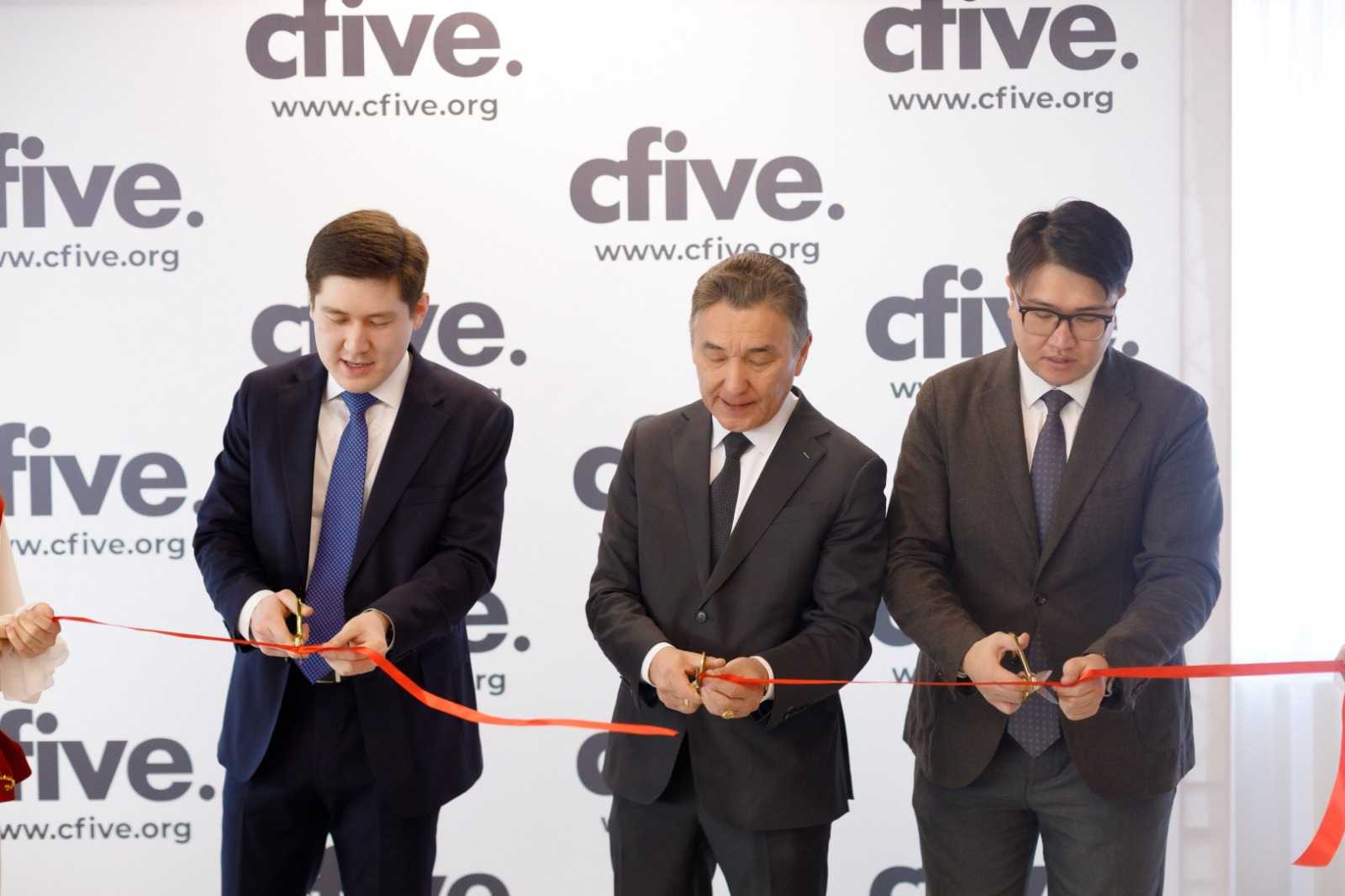
As part of this vital task, Astana International University (AIU) initiated
the creation of an intellectual bridge between Kazakhstan and the world's
leading research centers. A practical step in this direction was the official
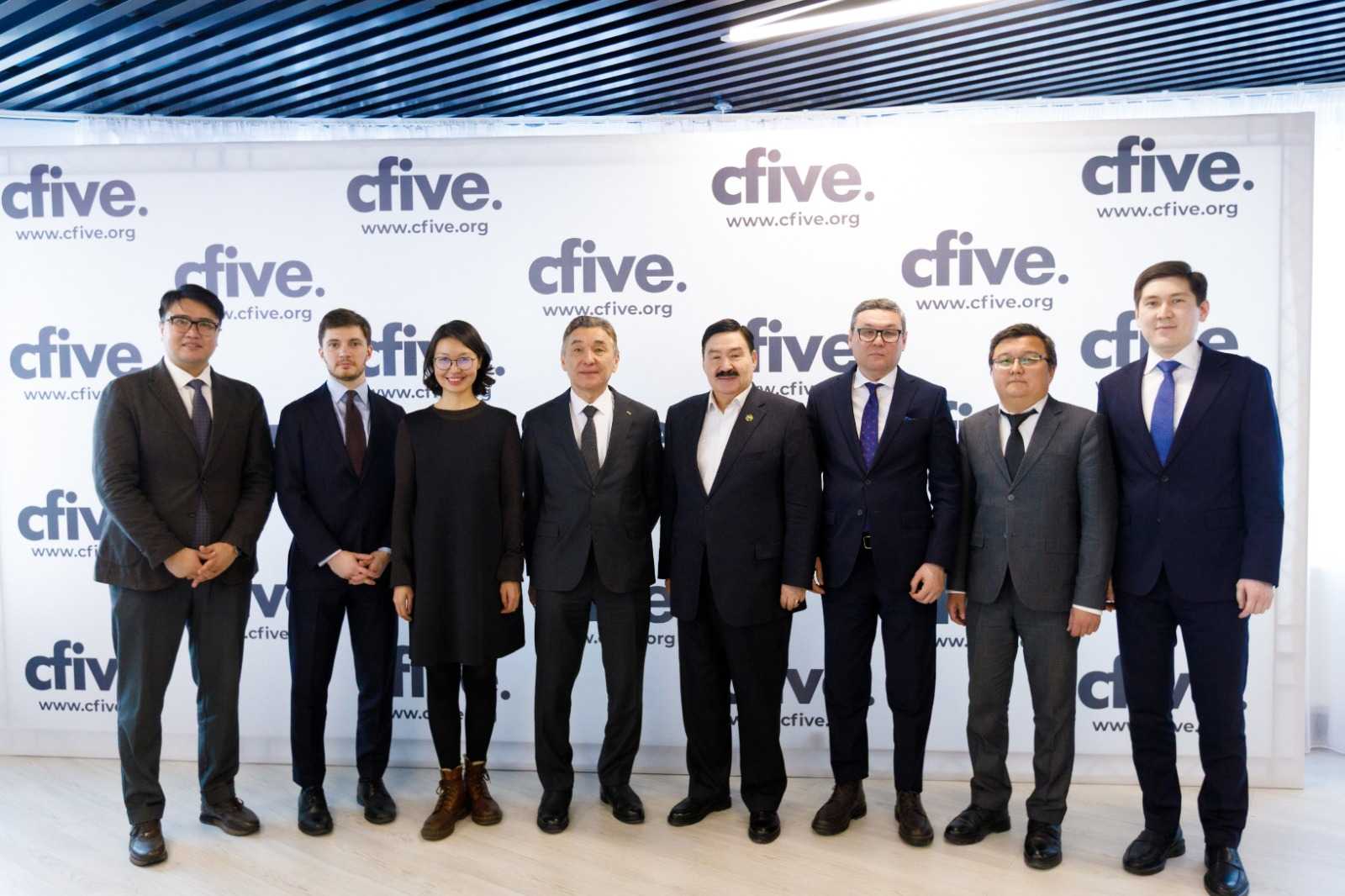
launch of the independent platform CFive, established at AIU in partnership
with prestigious organizations such as the Atlantic Council and the Caspian
Policy Center. This partnership transforms the university into an epicenter of
strategic thought, where academic knowledge merges with global politics.
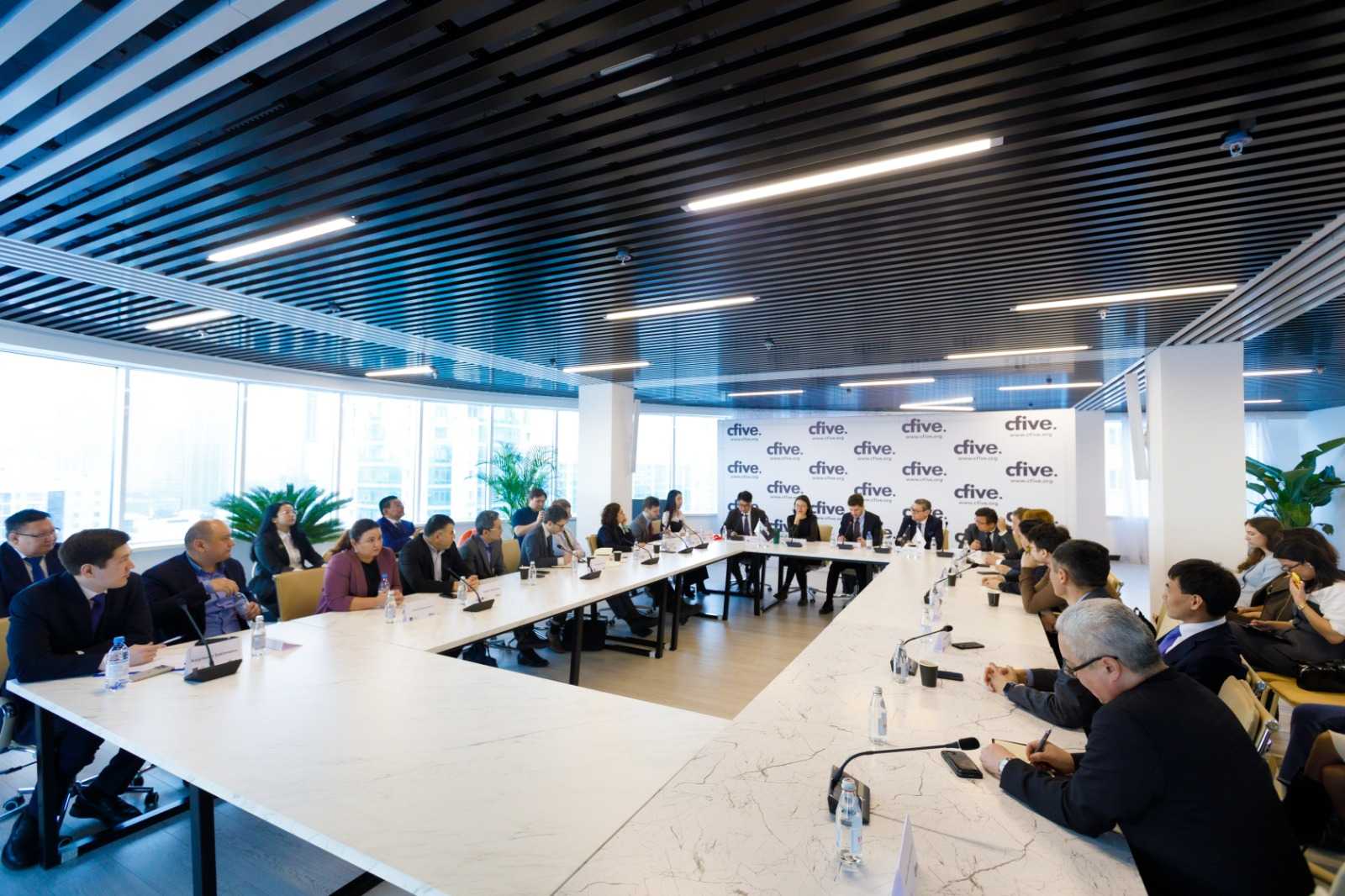
On February 2 of this year, AIU hosted the forum "Central Asia 2030:
Strategic Horizons and Regional Choices" on the basis of the CFive
platform.
The event brought together representatives of government agencies, the
diplomatic corps, international think tanks such as the Atlantic Council and
the Caspian Policy Center, as well as the academic and expert communities.
Participants discussed the transformation of Central Asia's role in the context
of current geo-economic and geopolitical changes, as well as strategic horizons
for the region's development until 2030.
The central theme of the discussion was the reimagining of regional
connectivity — not as an alternative route, but as strategic infrastructure
necessary to ensure economic sovereignty, sustainable growth, and long-term
stability for Central Asian countries. It was noted that over the past year,
Central Asian and Trans-Caspian countries have made significant progress in
coordinating transport, logistics, customs, and digital systems, which
previously seemed unrealistic.
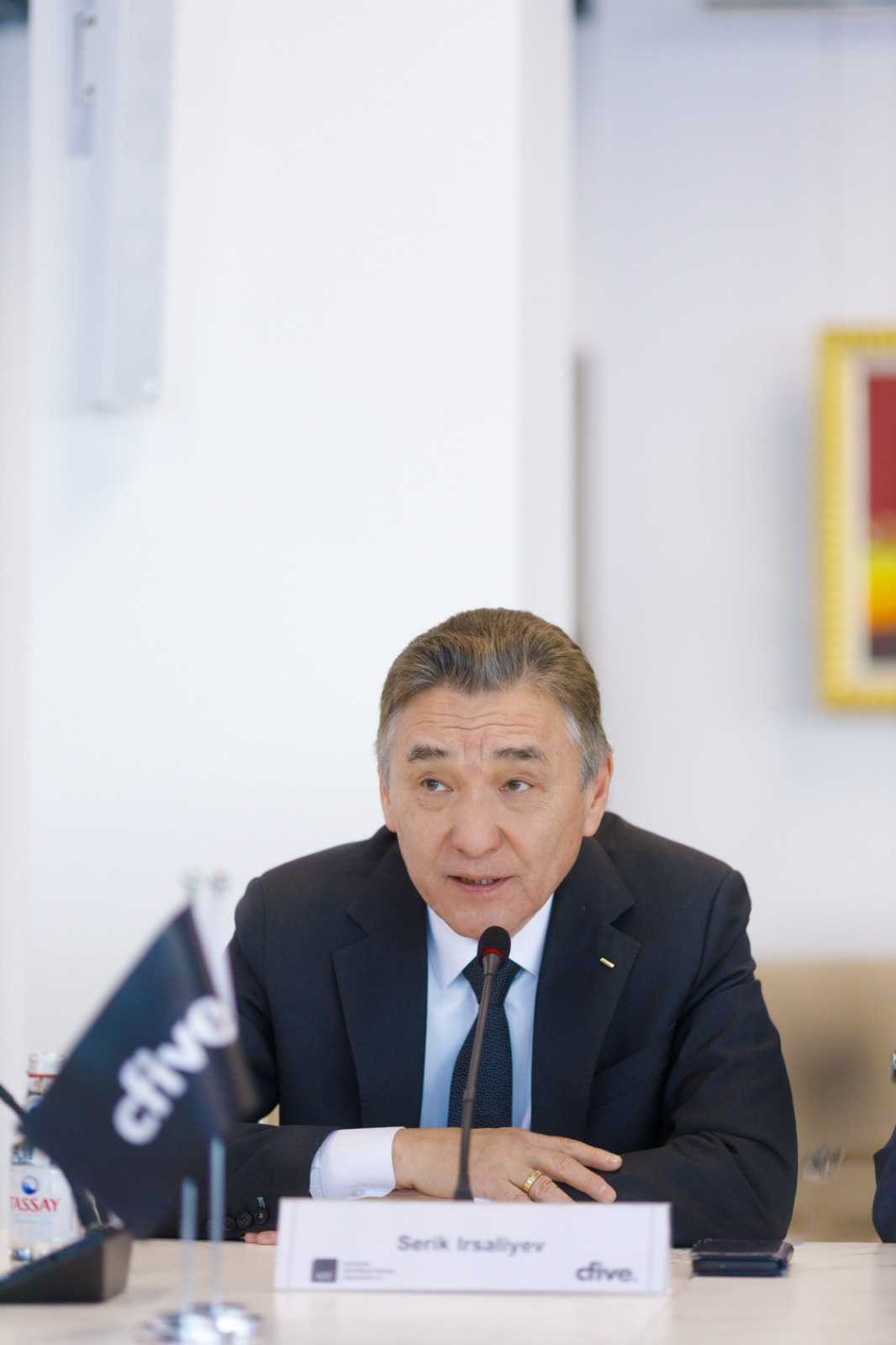
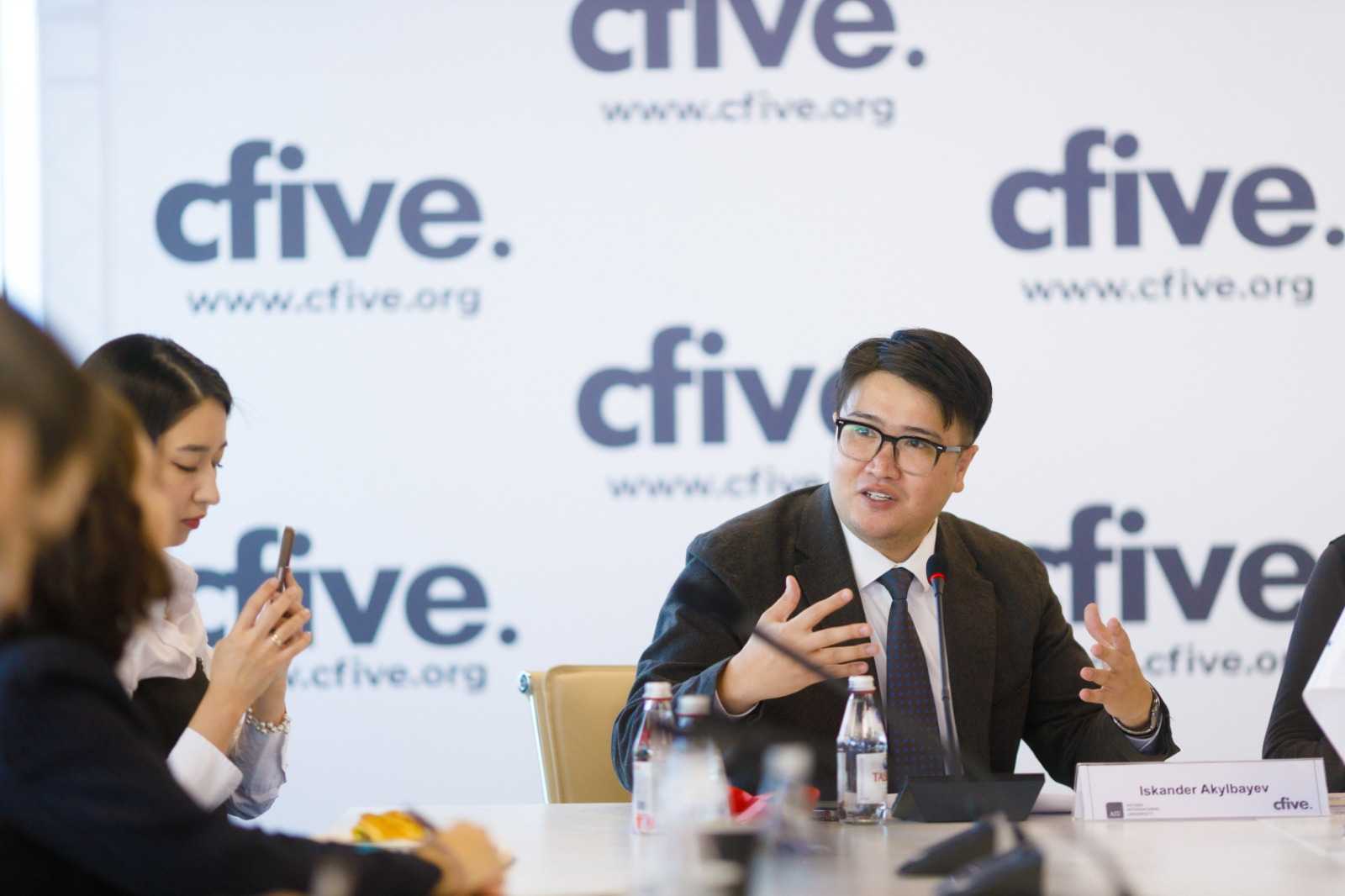
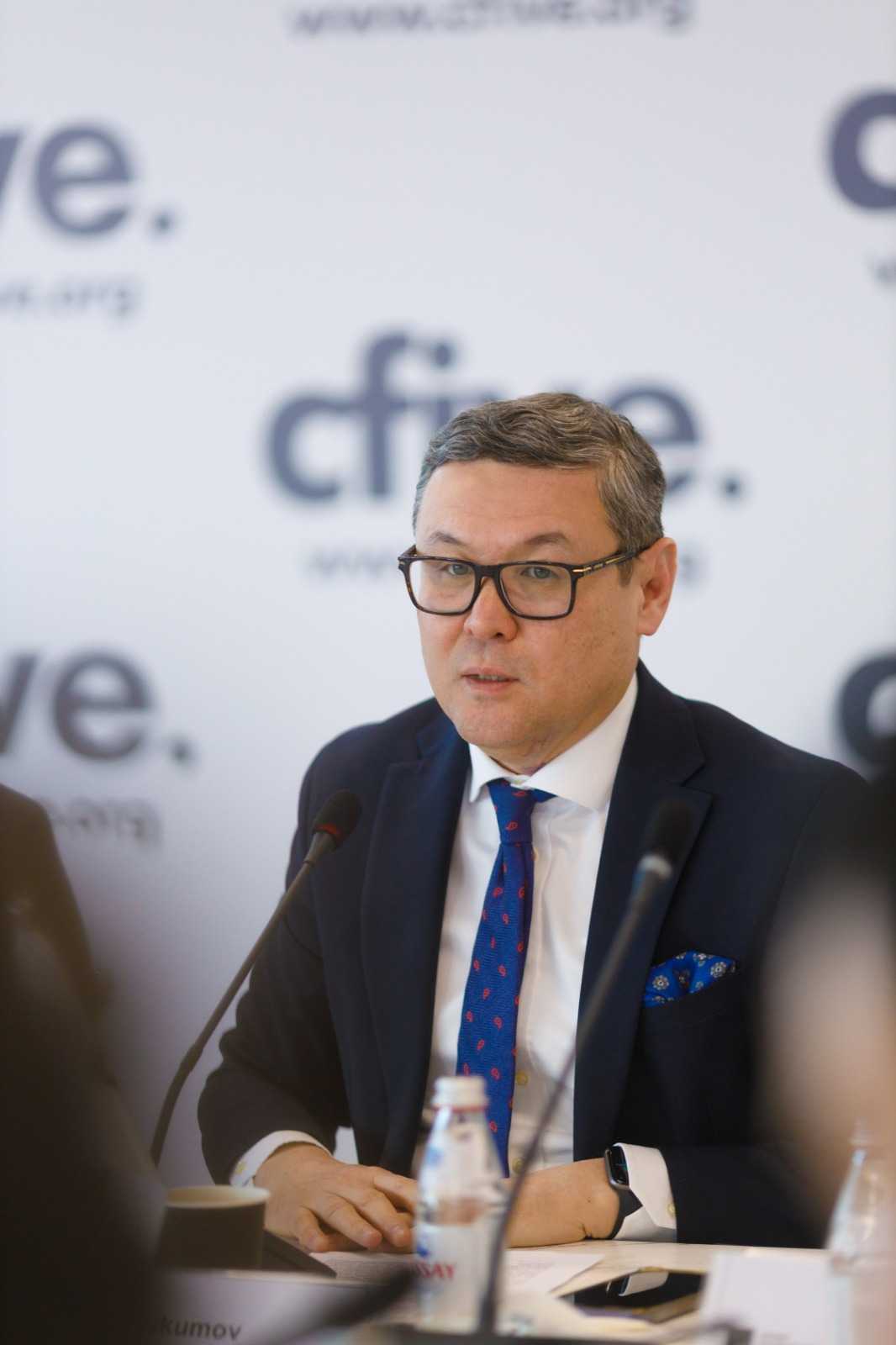
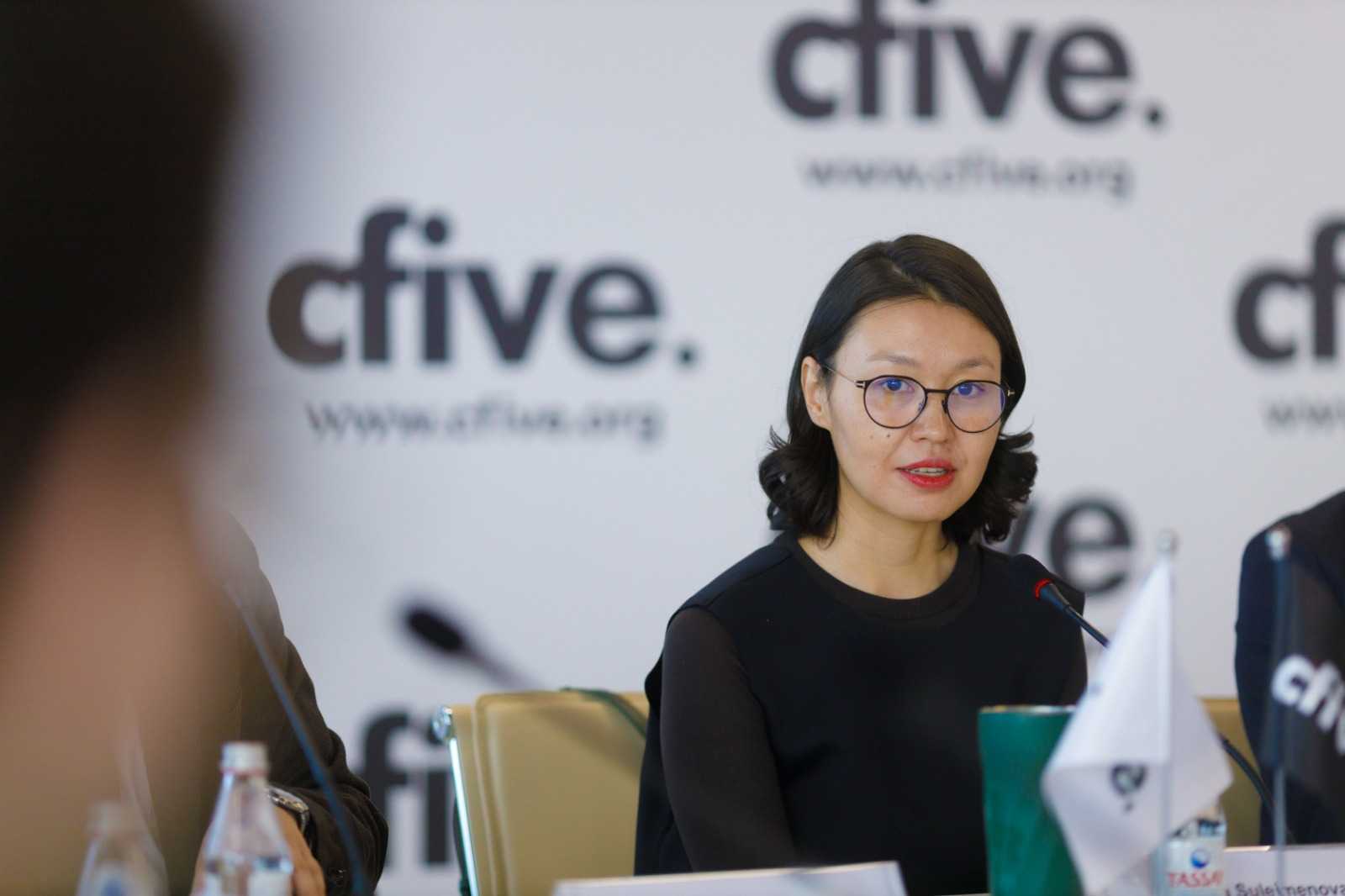
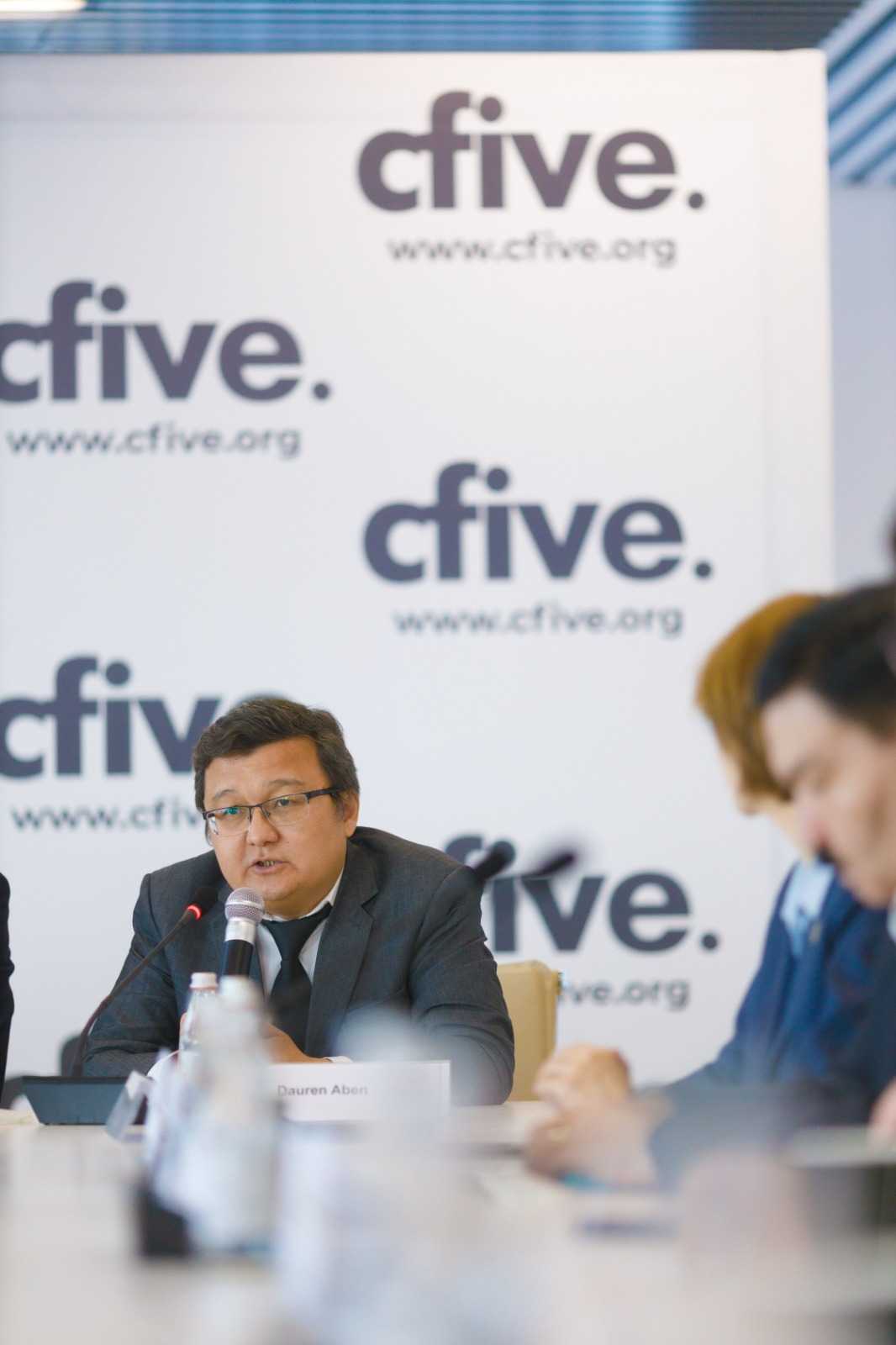
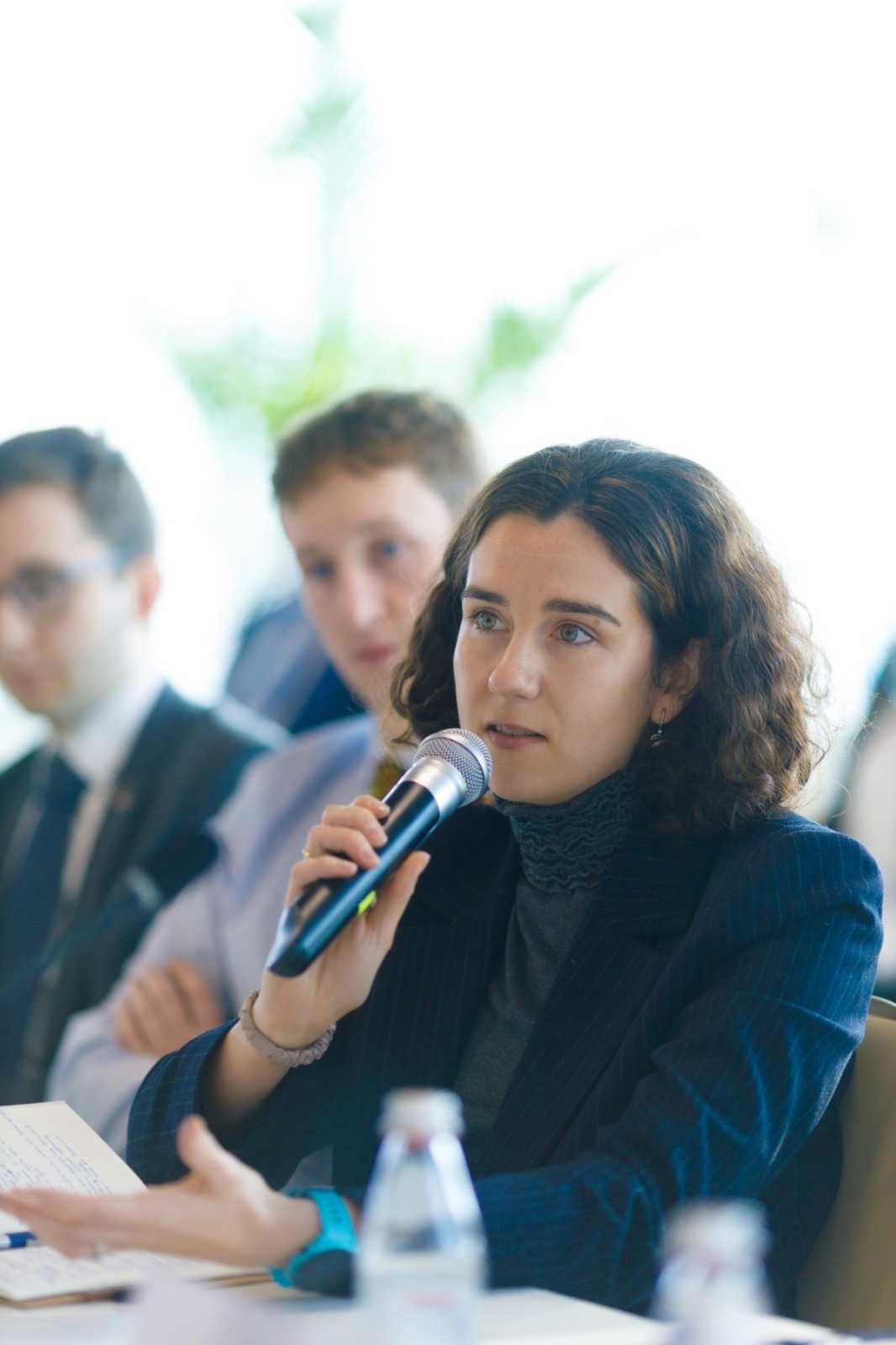
Forum speakers included Erkin Tukumov (Special Representative of the
President of the RK for Afghanistan), Zulfiya Suleimenova (Ambassador-at-Large,
Ministry of Foreign Affairs of the RK), Dauren Aben (Deputy Director of KazISS
under the President of the RK), Sultan Yessenbek (Secretary General of the
Benelux Chamber of Commerce in Kazakhstan), Andrew D’Anieri (Deputy Director of
the Eurasia Center, Atlantic Council), Efgan Nifti (CEO, Caspian Policy Center,
online), Iskander Akylbayev (Chairman of CFive), Aaro Ylitalo (Representative
of the European Union in the RK), Samuel Mills (Head of Political and
Communications Section, British Embassy), Beatriz Muñoz González (Deputy Head
of Mission, Embassy of Spain), and Elias Oppenrieder (First Secretary of the Political
Section, Embassy of the FRG). They noted that close coordination of logistical
and digital systems over the past year has enabled a new level of regional
integration. The CFive platform is intended to become a tool to help transform
political declarations into concrete investment and technological projects.
U.S. Approach to Central Asia
During the discussion, it was emphasized that the U.S. consistently
promotes a regional approach to interaction with Central Asia, viewing it as an
independent strategic subject with its own agency and significance, rather than
an object of foreign policy. For Washington, long-term commercial and
investment projects are directly linked to regional stability, deepening
cooperation between neighboring states, and the development of regional
formats.
In this context, the C5+1 format was noted as the key framework for U.S.
engagement with Central Asia. Holding the C5+1 summit at the level of heads of
state in Washington was a significant event, especially considering the
traditional orientation of American foreign policy toward bilateral formats.
It was noted that a potential visit by the U.S. President to the region is
possible only in the presence of a "big deal" — a large-scale
commercial or strategic project with clear and mutual benefits. Potential areas
included the extraction of critical minerals, the development of transport and
logistics connectivity, and major investment projects that go beyond symbolic
initiatives.
Currently, Central Asia is viewed by Western and American investors as a
reliable region due to macroeconomic stability and interest in sovereign debt.
However, participants emphasized the need to move to the next stage — creating
conditions for large-scale equity investments capable of ensuring sustainable
economic effects for both regional countries and international partners.
Regional Institutionalization and New Priorities
Particular attention was paid to deepening regional institutionalization,
including the formation of the C6 format (C5 + Azerbaijan), which expands
Central Asia's strategic perimeter to the west and strengthens the region's
collective bargaining position in interactions with external actors.
Energy and critical minerals were identified as new strategic priorities.
Participants stressed the importance of transitioning from a raw material model
to processing, creating added value, and integrating into global production
chains related to green energy, electrification, and digital infrastructure.
The Middle Corridor was viewed as a key tool for ensuring this transformation.
In conclusion, participants agreed that if 2025 was a year of strategic
alignment, 2026 would be a test of implementation and effectiveness. Priorities
include increasing the capacity of the Middle Corridor, eliminating
infrastructure bottlenecks, moving from political declarations to practical
results, and embedding regional cooperation into everyday management and trade
practices.
The event confirmed the demand for CFive as a new independent analytical
platform and a long-term venue for expert dialogue and international
cooperation on the strategic future of Central Asia.
For students
and faculty, CFive opens unique doors. They gain direct access to international
analytics and the chance to conduct research alongside experts from Washington
and Astana. AIU reaffirms its status as a next-generation research university,
actively shaping the future of Kazakhstan as a leading intellectual hub.